
Ubuntu Linux is a popular choice for server management panels, and its widespread adoption is attributed to several key factors. This article explores the reasons behind the prevalence of Ubuntu in server management panels, the CentOS precedent that made everyone nervous, potential downsides, and alternative Linux distributions worth considering.
Key Advantages of Ubuntu for Server Panels
Ubuntu's open-source nature, stability, community support, compatibility, and security make it an ideal operating system for building efficient and user-friendly server management panels. Its regular release cycle and long-term support for LTS releases contribute to its appeal among developers and system administrators.
- Open-Source Nature: Ubuntu is an open-source operating system, allowing developers to customize and optimize it for building server management panels.
- Stability: Ubuntu is known for its stability, making it reliable for server environments where uptime is crucial.
- Community Support: Ubuntu has a large and active community of users and developers who provide support, contribute to testing, and offer technical assistance.
These factors make Ubuntu an ideal choice for developers creating efficient and user-friendly server management panels.
The Red Hat/CentOS Fiasco: A Recap
To understand why Ubuntu's position matters today, it helps to revisit what happened with CentOS.
In December 2020, Red Hat announced a major shift in its strategy for CentOS. Starting with CentOS 8, which was originally slated to have support until 2029, Red Hat shifted focus to CentOS Stream as its primary upstream development branch. This meant CentOS 8 reached end-of-life at the end of 2021—eight years earlier than anticipated.
While CentOS Stream offers benefits such as faster access to new features and bug fixes, it is not a drop-in replacement for traditional CentOS. This move caused significant concern among users who relied on the stability and long-term support that CentOS had been known for.
Downsides of Ubuntu: Risk of Canonical Getting Acquired
While Ubuntu has many advantages, it's important to consider potential downsides. One concern is the risk of Canonical, the company behind Ubuntu, getting acquired. If Canonical were to be acquired by another company, it could potentially lead to changes in the direction and policies of Ubuntu.
However, as of now, there is no indication that Canonical plans to make significant changes to its current model. Ubuntu LTS releases continue to provide stability and security updates for up to five years, and regular releases offer access to newer software versions. Canonical's commitment to long-term support and its track record suggest that drastic changes like those seen with CentOS are unlikely to happen in the Ubuntu ecosystem.

Can Canonical Impose Similar Restrictions?
Given the situation with Red Hat and CentOS, it's natural to wonder if Canonical could impose similar restrictions on the use of Ubuntu-based systems. As of now, there is no indication that Canonical plans to make any significant changes to its current model.
While it's impossible to predict the future with certainty, Canonical's commitment to providing long-term support and their track record thus far suggests that drastic changes like those seen with CentOS are unlikely to happen in the Ubuntu ecosystem.
VestaCP and Operating System Choices
VestaCP and its forks—HestiaCP and MyVestaCP—offer the flexibility of using Ubuntu, Red Hat (CentOS), or Debian for installation. This multi-distro support stands in contrast to panels that mandate Ubuntu exclusively.
Not Just Panels—Command Line Installers Too
The Ubuntu preference isn't limited to GUI-based control panels. Command line installers like Webinoly also specify Ubuntu as their target OS, further reinforcing its dominance in the server deployment ecosystem.
Alternatives to Ubuntu Linux
If you're looking for alternatives to Ubuntu, there are several Linux distributions worth considering:
- Debian: One of the oldest and most respected Linux distributions, known for its stability, security, and wide range of software packages.
- OpenSUSE: Known for its stability and user-friendly approach. It offers both Leap, which provides regular updates with a focus on stability, and Tumbleweed, a rolling release distribution with the latest software versions.
- CentOS Stream: Despite recent changes announced by Red Hat, CentOS Stream may still be an option for those who value access to bleeding-edge features and closer alignment with upstream development.
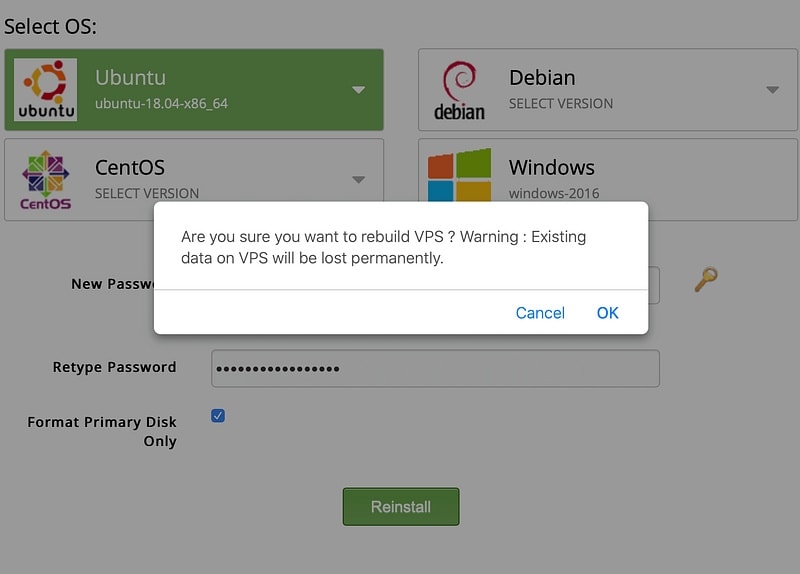
Reinstalling Ubuntu on a Linux Server, 2019
It's important to evaluate factors such as community support, package availability, ease of use, and compatibility with your hardware when considering alternative Linux distributions.
Aside: Government of India's Operating System Initiative
In late 2023, the Government of India announced the establishment of a panel of experts to create an operating system based on Ubuntu. Known as Maya OS, this initiative aims to develop a customized operating system that meets the specific needs of the Indian government and promotes the use of open-source software.
Key Takeaways
- Ubuntu is often chosen as the operating system for server management panels due to its open-source nature, stability, community support, compatibility, and security.
- The CentOS/Red Hat fiasco of 2020 highlighted the risks of relying on a single corporate-backed distribution.
- While there is a risk of Canonical getting acquired, there is currently no indication of significant changes to Ubuntu's model.
- Alternatives to Ubuntu include Debian, OpenSUSE, and CentOS Stream, each with its own strengths and considerations.
- The Government of India is working on Maya OS, based on Ubuntu, designed to cater to specific requirements of government departments.
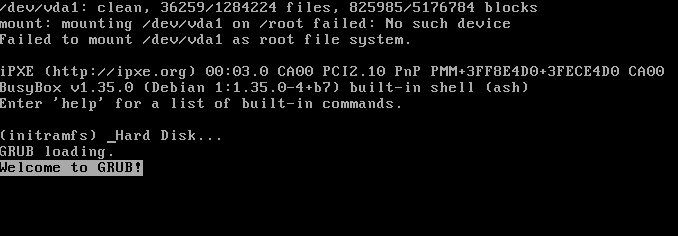 Encrypted Disk with Ubuntu on a Linux Server, 2023
Conclusion
Ubuntu's popularity among server management panels is driven by its open-source nature, stability, community support, compatibility, and security. While there are potential downsides and alternative distributions to consider, Ubuntu remains a reliable choice for server environments. The CentOS experience serves as a cautionary tale, but Canonical's track record suggests a similar disruption is unlikely.
What are your thoughts on this issue? Have you considered switching to an alternative Linux distribution? Let me know in the comments below.
References
- r/admincraft on Reddit: Which OS is better for hosting a server?
- Blog: Alternatives to CentOS 8 — After the Storm
- Wikipedia: Maya OS