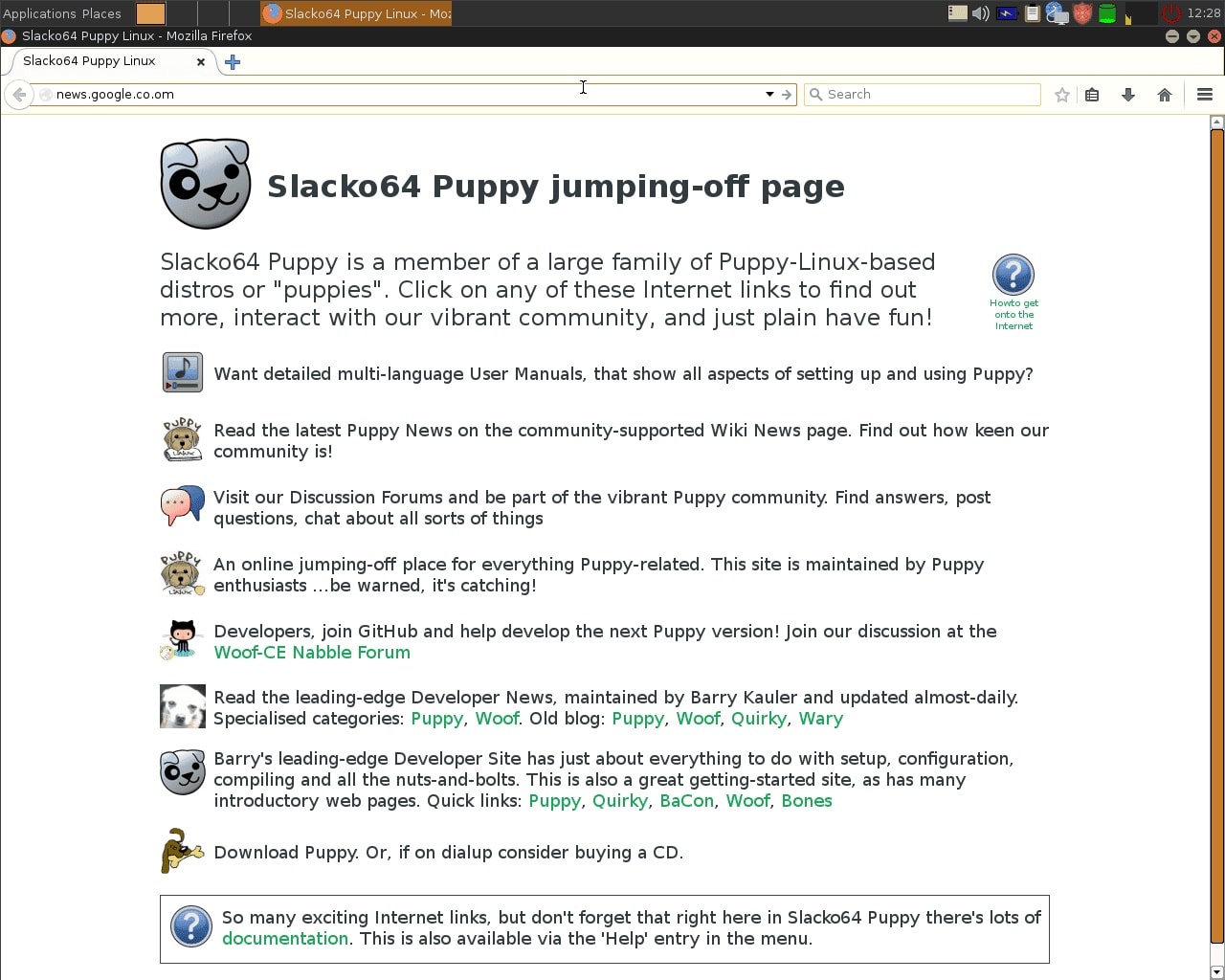
Slackware Linux, one of the oldest and most respected Linux distributions, has a rich history that dates back to 1993. Created by Patrick Volkerding, Slackware was designed to be a straightforward and stable operating system that adheres closely to the Unix philosophy. Its importance in the Linux ecosystem cannot be overstated; it has influenced many other distributions and is often praised for its simplicity and reliability.
I consider a low-end laptop as one with limited specifications, or typically laptops that are older than 7 years. In my case, a Celeron N4000 with 4 GB LPDDR4 RAM, which is a little over 3 years old. In my case, I opted for the specifications over the age of the laptop.
Introduction: Forks of Slackware Linux
As an open-source software project, Slackware embodies the principles of collaboration and community-driven development. It provides users with a Unix-like operating system that is not only powerful but also highly customizable. This flexibility allows both novice users and experienced developers to tailor their environments according to their needs.
Slackware’s commitment to maintaining a pure Linux experience without unnecessary modifications makes it stand out among various Linux distributions. Users appreciate its adherence to classic Unix principles, which emphasizes transparency and control over the system. This focus on stability and performance has garnered a dedicated user base that values the distribution’s consistency over time.
In summary, Slackware Linux holds an essential place in the landscape of open-source software as a pioneering distribution that continues to inspire innovation within the broader Linux community.

What are Forks of Slackware Linux and Why Do They Exist?
Linux forks explained, reasons for forking, community-driven projects, alternative distributions: Slax, Zenwalk, Salix OS, Absolute Linux, Ponce’s fork of Slackware
Forks of Slackware Linux are alternative distributions that have emerged from the original Slackware project, each with its unique features and enhancements. These forks exist to cater to specific user needs or preferences while maintaining the core principles of Slackware’s simplicity and stability.
One notable fork is Slax. It focuses on creating a lightweight, modular live operating system. Slax allows users to run a fully functional Linux environment directly from a USB drive without installation, making it ideal for portable use.
Zenwalk is another prominent fork that aims to provide a more user-friendly experience while retaining the robustness of Slackware. It features an updated package management system and comes pre-installed with a variety of applications tailored for desktop users.
Salix OS takes a different approach by emphasizing simplicity and usability. It offers full compatibility with Slackware packages while providing an easy-to-use graphical interface for package management, making it accessible even for those new to Linux.
Absolute Linux is designed specifically for older hardware, optimizing performance without sacrificing functionality. This fork provides a lightweight environment that makes it suitable for users looking to breathe new life into aging computers.
Ponce’s fork of Slackware represents an effort to incorporate newer software versions and updates while maintaining the traditional Slackware ethos. Each of these forks showcases the versatility of the Slackware foundation and highlights how community-driven initiatives can lead to diverse solutions within the Linux ecosystem.
Comparing Features and Benefits of Popular Slackware Forks
Features comparison, user-friendly interfaces, package management systems, system performance
When exploring the landscape of Slackware forks, it’s essential to conduct a thorough features comparison to determine which distribution best meets your needs. Each fork often comes with unique enhancements that cater to various user preferences and technical requirements.
One significant aspect to consider is the user-friendly interfaces that different forks offer. While the original Slackware is known for its minimalistic approach, some forks have introduced more intuitive graphical environments, making it easier for newcomers to navigate and utilize the system effectively.
Another critical factor is the package management systems employed by these distributions. Some forks maintain Slackware’s traditional package management, while others have integrated modern tools that facilitate software installation and updates. This can greatly enhance user experience, especially for those who prefer a more automated approach to managing software dependencies.
System performance remains a crucial consideration as well. Many Slackware forks are optimized for speed and efficiency, ensuring that users benefit from quick boot times and responsive applications. By comparing these features across various distributions, you can make an informed decision about which Slackware fork aligns with your performance expectations and usability requirements.
How to Choose the Right Fork of Slackware Linux for Your Needs
Distro selection tips, user requirements analysis, installation process comparison
Selecting the ideal fork of Slackware Linux involves a thoughtful assessment of your unique requirements and priorities.
Choosing the right fork of Slackware Linux requires careful consideration of your specific needs and preferences. To make an informed decision, start with a thorough user requirements analysis. Identify what you need from your operating system—whether it be stability, cutting-edge software, or ease of use. Different forks may cater to different audiences; for instance, some might focus on providing a more user-friendly experience, while others prioritize system performance.
Once you’ve outlined your requirements, consider distro selection tips that align with those needs. Look into community support and documentation available for each fork, as this can significantly impact your experience during installation and troubleshooting.
Additionally, compare the installation processes of various Slackware forks. Some may offer graphical installers that simplify setup for beginners, while others might require more manual configuration suited for advanced users. Understanding these differences will help you choose a distribution that not only meets your functional needs but also aligns with your comfort level in managing the operating system. By taking these steps, you’ll be well-equipped to select the right Slackware Linux fork tailored to your unique requirements.
Conclusion: Forks of Slackware Linux for Low End Systems
Choosing the right fork of Slackware Linux is crucial for users looking to optimize their experience with this versatile operating system. Each fork offers unique features and enhancements tailored to specific user needs and preferences. For instance, some forks may focus on providing a more user-friendly interface, while others prioritize stability or cutting-edge software.
When selecting a fork, consider your technical expertise and the purpose of your usage. If you are a beginner, opting for a version that emphasizes ease of use might be beneficial. Conversely, experienced users may prefer forks that allow for greater customization and control over system settings.
Additionally, reviewing community support and documentation can significantly impact your experience with any Slackware fork. A robust community can provide valuable resources for troubleshooting and optimization.
Ultimately, the right choice will depend on individual requirements and preferences. By carefully evaluating the available options, users can ensure they select a Slackware Linux fork that aligns perfectly with their goals.
Selecting the ideal Slackware Linux fork hinges on thorough evaluation of community support and personal needs, ensuring a tailored experience that meets individual goals.