I first learnt about Typemill around 2020, during the COVID-era lockdowns, while exploring alternative content management systems. What immediately stood out was its simplicity—a refreshing change from the bloated, complex platforms I had tried before. Having spent years navigating overly complicated systems that often felt like they were actively fighting the creator, discovering a lightweight, writer-focused tool was a genuine breath of fresh air.
Summary: Hindi
Typemill एक lightweight, PHP-based content management system है जो लेखकों और प्रकाशकों के लिए बनाया गया है। इसमें सरल स्थापना, distraction-free writing interface, और एक बढ़ता हुआ plugin ecosystem है। 2026 तक, इसका mobile responsiveness और performance बेहतर हुआ है, हालांकि long-form content पर mobile menu के कुछ issues अभी भी हैं। यह दस्तावेज़, पुस्तकें, और व्यक्तिगत वेबसाइटों के लिए आदर्श है।
Summary: Marathi
Typemill हा एक lightweight, PHP-आधारित content management system आहे जो लेखक आणि प्रकाशकांसाठी बनवला गेला आहे. त्यात सोपी स्थापना, distraction-free writing interface, आणि वाढता plugin ecosystem आहे. २०२६ पर्यंत, त्याचे mobile responsiveness आणि performance सुधारले आहे, परंतु long-form content वर mobile menu चे काही issues अजूनही आहेत. हे कागदपत्रे, पुस्तके, आणि वैयक्तिक वेबसाइटसाठी आदर्श आहे.
A Quiet Discovery
Typemill is a lightweight project developed by a small but highly capable team. From installation to theme and plugin setup, and even into basic configuration, everything was straightforward. The interface delivered on its promise of a distraction-free environment, allowing me to focus entirely on drafting without fighting against unnecessary controls. It requires a PHP-compatible server, and the installation process is well-documented, whether you prefer to work manually or take advantage of a one-click installer.
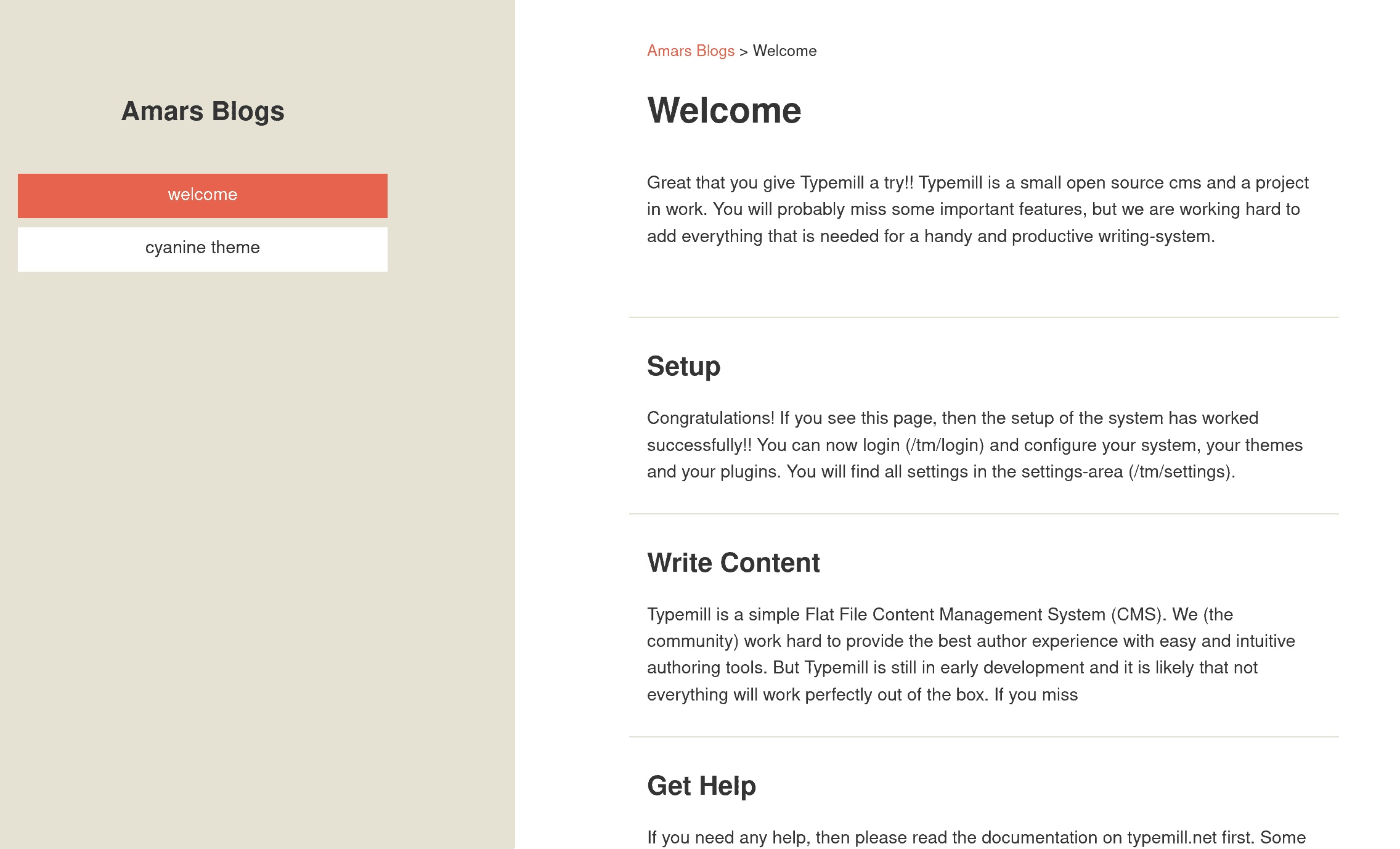
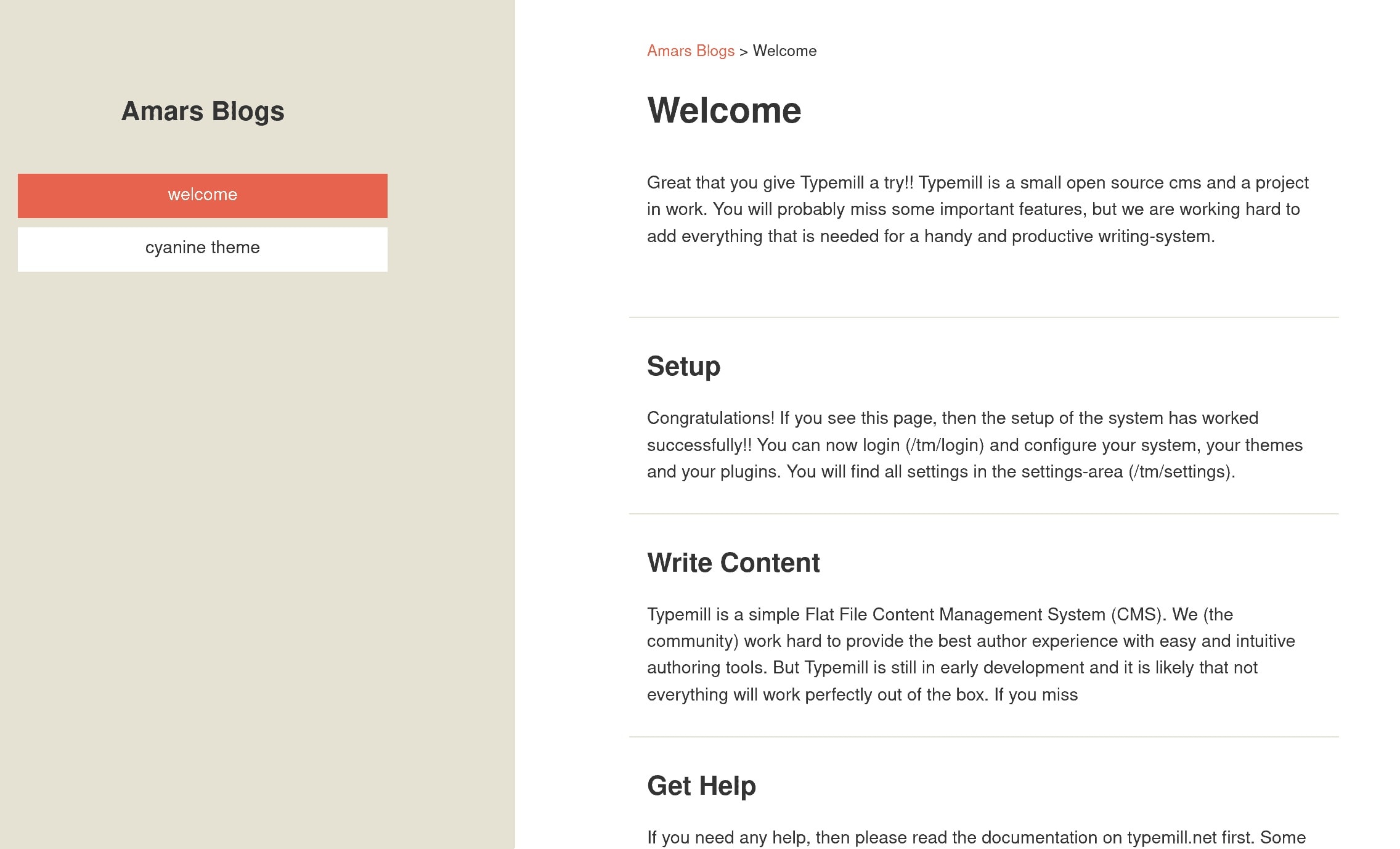
The welcome page that greets you afterward carries the same quiet logic—no spectacle, just clarity.
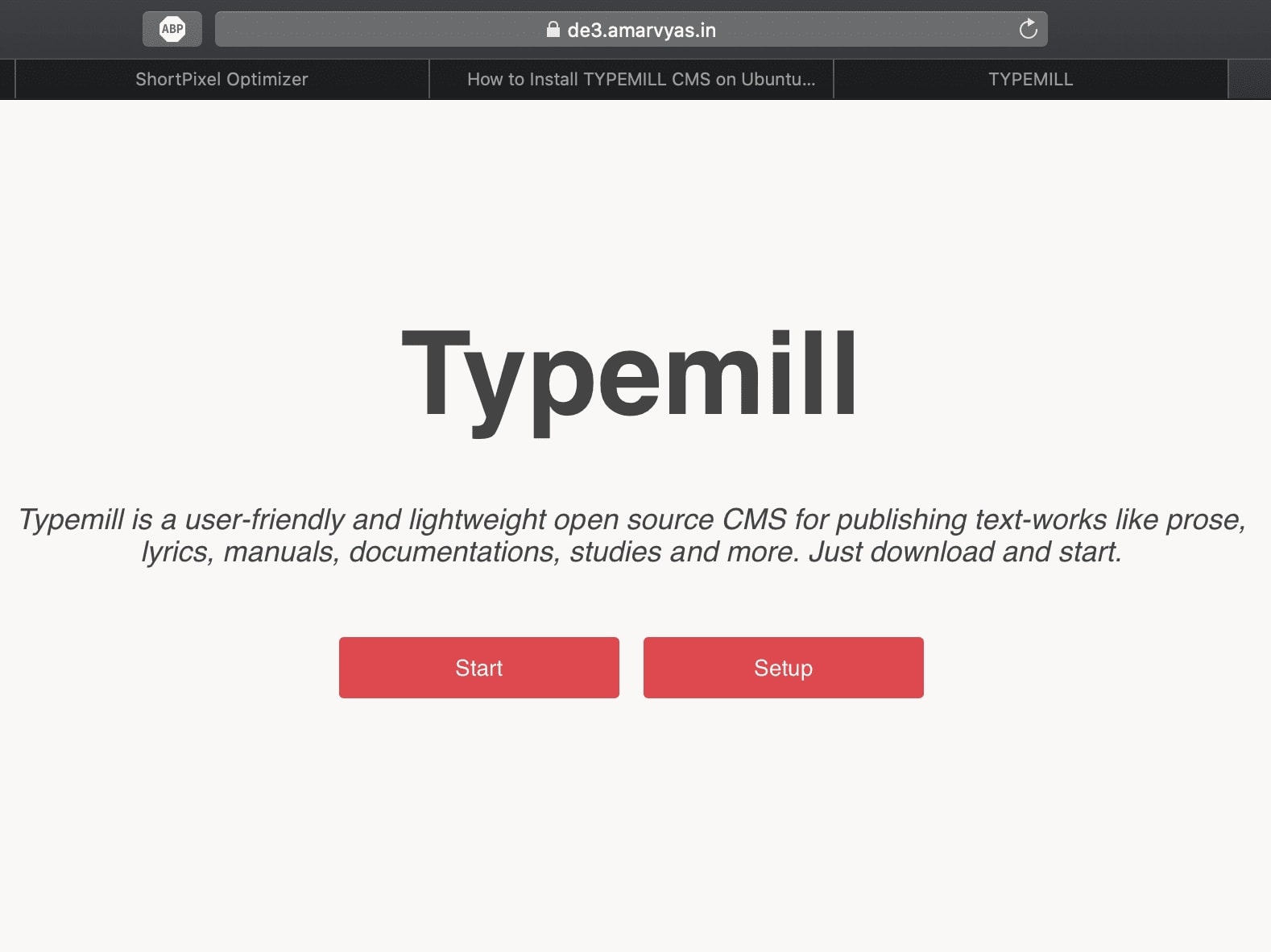 Welcome Page for Typemill
Living with the Software
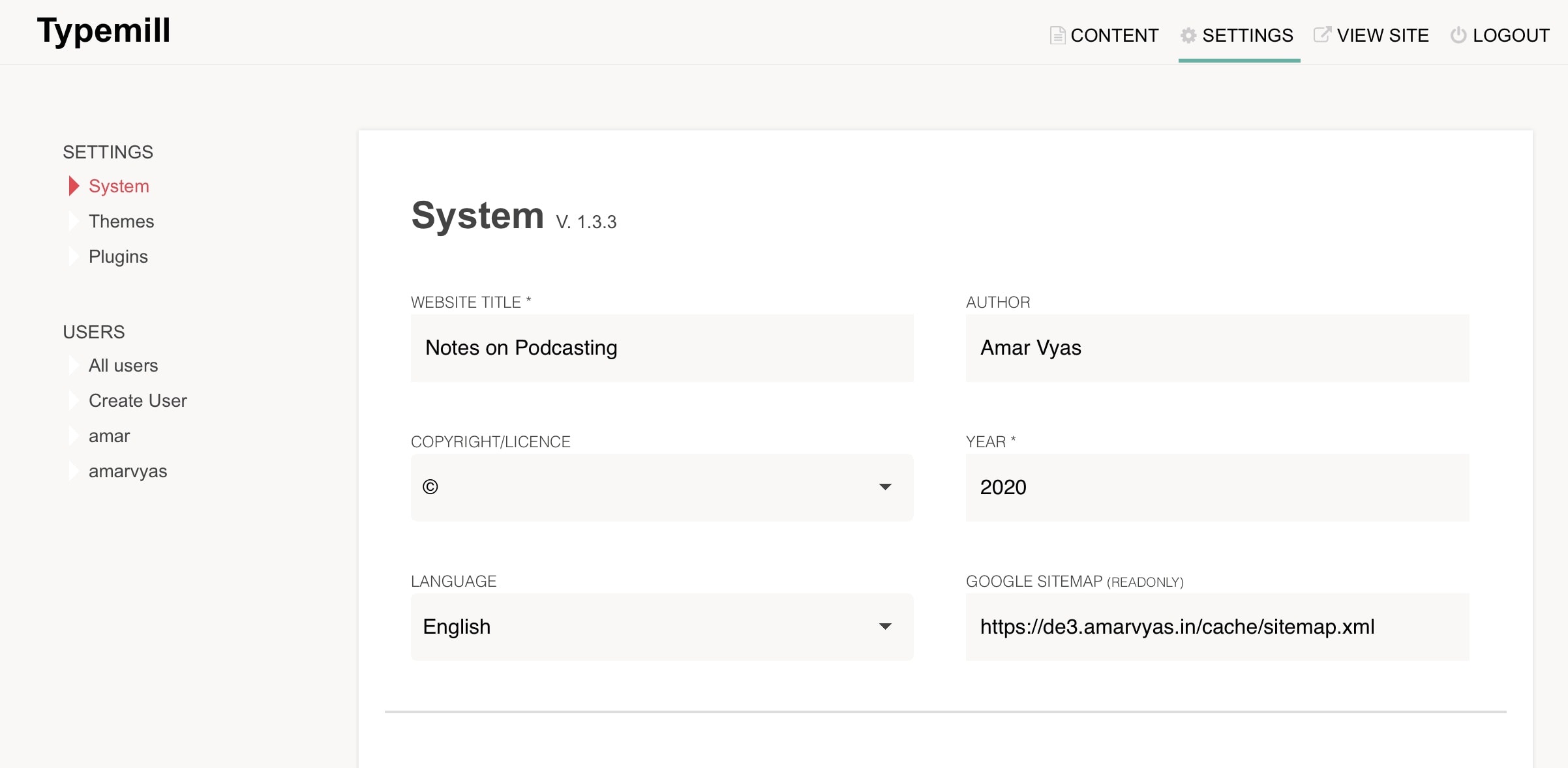
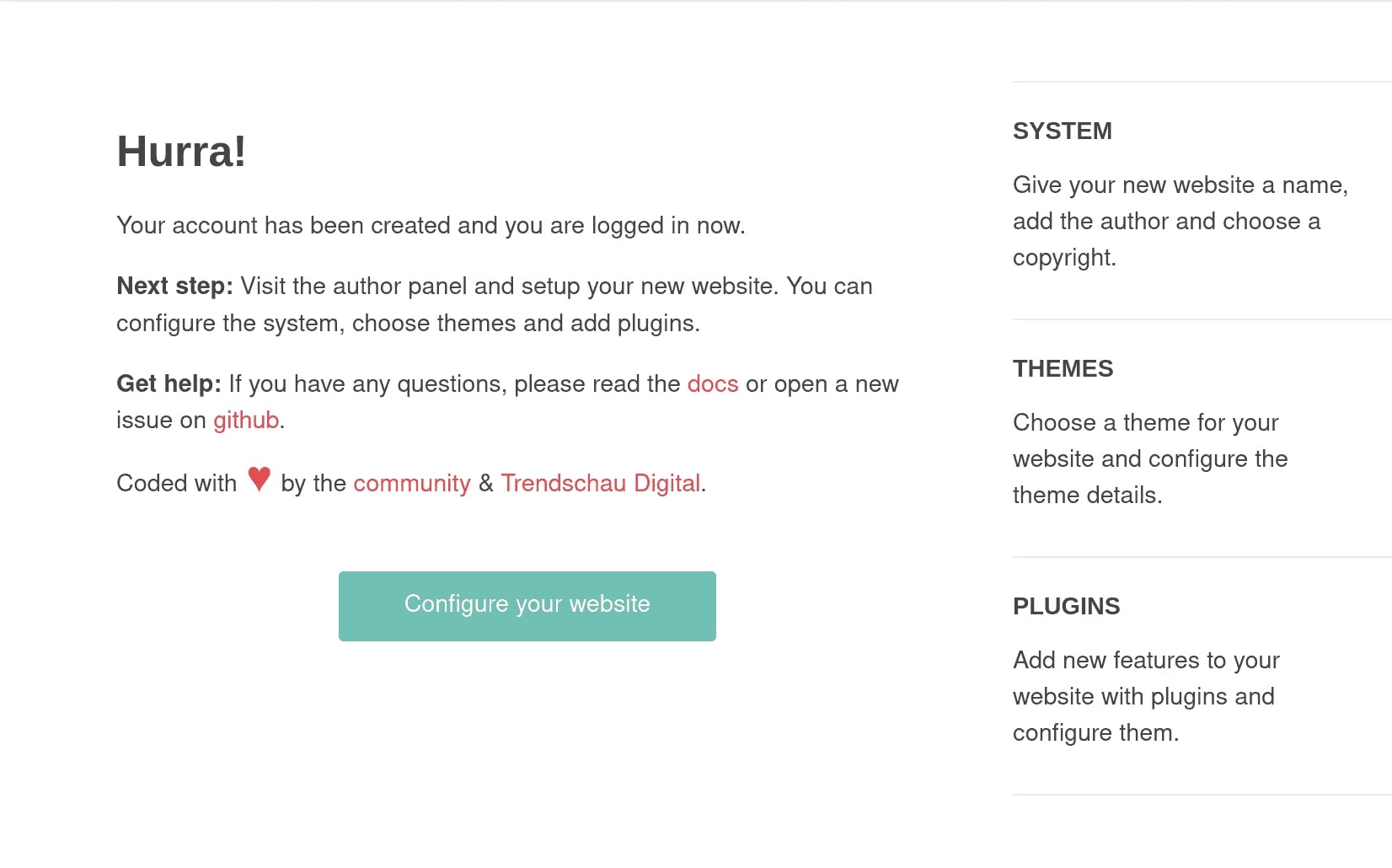 **Typemill Admin Configuration Panel**I tested Typemill on a few experimental sites, half-expecting the familiar friction of learning a new environment. Instead, it handled most tasks with a competence that felt almost invisible. Setting up the backend required nothing more than a standard PHP-compatible web server, and the initial configuration was simple enough that anyone using a basic cPanel or web host could get it running in a matter of minutes. The admin dashboard is arranged like a well-organized writing desk: themes, plugins, settings—all present, none demanding attention.
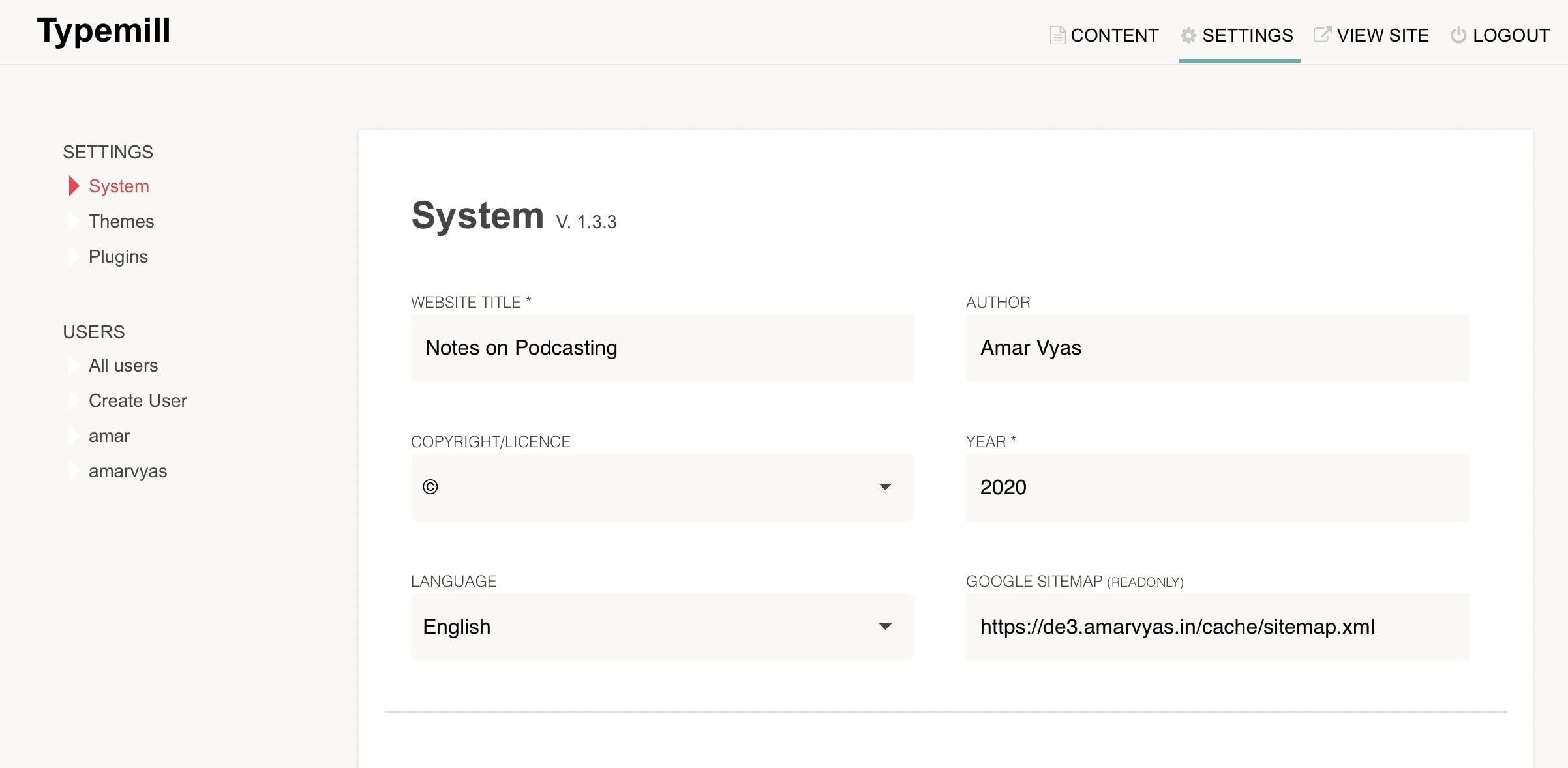 Admin Interface for Typemill
Themes: Cyanine and Beyond
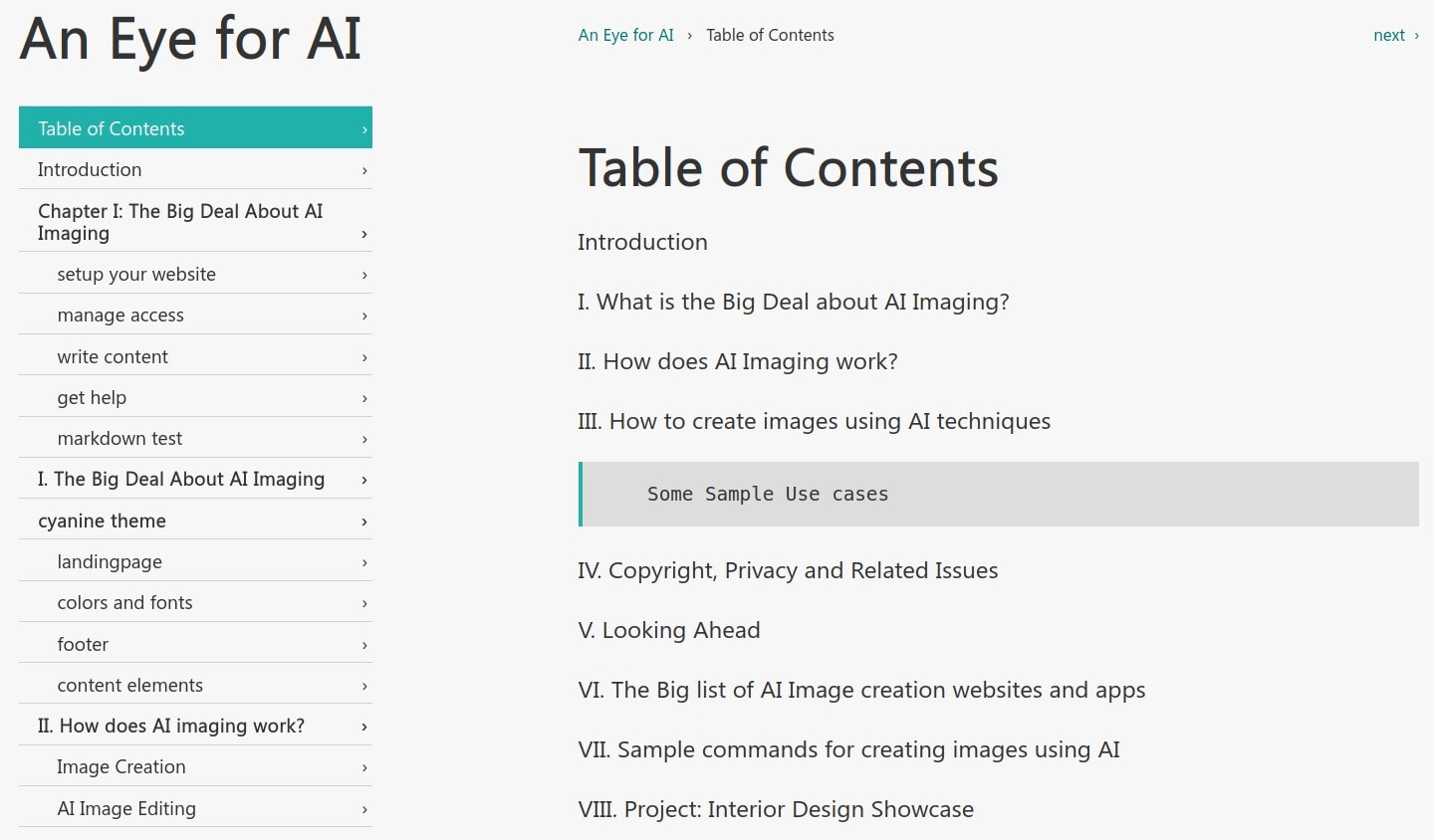 *Cyanine Theme
The default theme, Cyanine, is lightweight and functional, carrying the site with an elegance that does not compete with the content. While the system allows for custom themes to match personal branding, Cyanine served as a reliable baseline for most of my testing scenarios. Customizing the presentation layer felt approachable, and I was able to adapt personal themes without running into complex templating barriers.
 *Personal Theme
The Mobile Quirk
No relationship with a tool is entirely without imperfections. On mobile devices, particularly when navigating long, textbook-style pages, the menu occasionally triggered navigation overlay bugs that covered the primary reading pane. While these interface inconsistencies were not complete dealbreakers, they did require manual CSS tweaks or careful structural planning for content-heavy pages.
click to expand

A Book That Never Was
My last deep dive came in 2023, when I considered using Typemill for a book project I had begun calling Art with AI—a work focused on AI-generated imagery. The idea never fully bloomed into publication, but the platform left an impression strong enough to draw me back. In 2026, I decided to revisit and update this blog post to reflect the current state of Typemill and its relevance today.
Returning in 2026
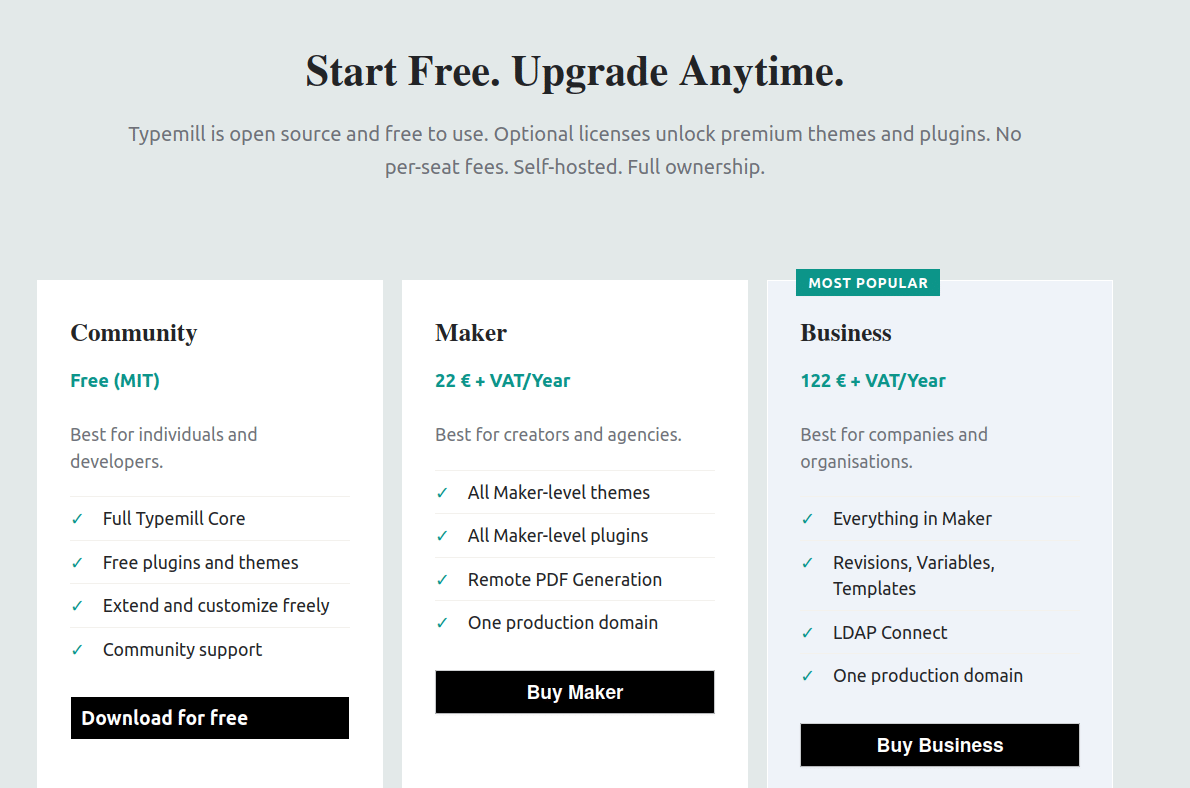
Revisiting Typemill in 2026, it’s clear the project has matured while maintaining its lightweight ethos. The core team has systematically expanded the plugin architecture, giving creators access to modular features like enhanced search, structured metadata management, and improved publishing controls without adding unnecessary bulk to the core installation. Performance remains one of Typemill’s strongest assets, continuing to load rapidly even on economical shared hosting plans. Recent updates to default themes have also addressed several mobile rendering issues, making the reader experience far smoother across varied screen sizes.
The plugin ecosystem has expanded under the guidance of the development team, allowing for greater customization without sacrificing the core simplicity. The documentation is still comprehensive and genuinely beginner-friendly, enriched by active community contributions that feel supportive rather than performative.
Essential Takeaways
Evaluating Typemill after several years of development highlights a few key conclusions:
Writer-Centric Design: The interface remains free of unnecessary distractions, keeping the focus entirely on drafting, editing, and organizing text.
Low Maintenance Requirements: Because it operates efficiently on standard PHP setups without requiring complex database management, site upkeep is minimal.
Balanced Customization: The combination of a growing plugin ecosystem and straightforward theme editing allows for flexibility without technical bloat.
Targeted Use Case: It is ideally suited for documentation, manuals, digital books, and personal sites, though complex publication workflows may still require traditional databases.
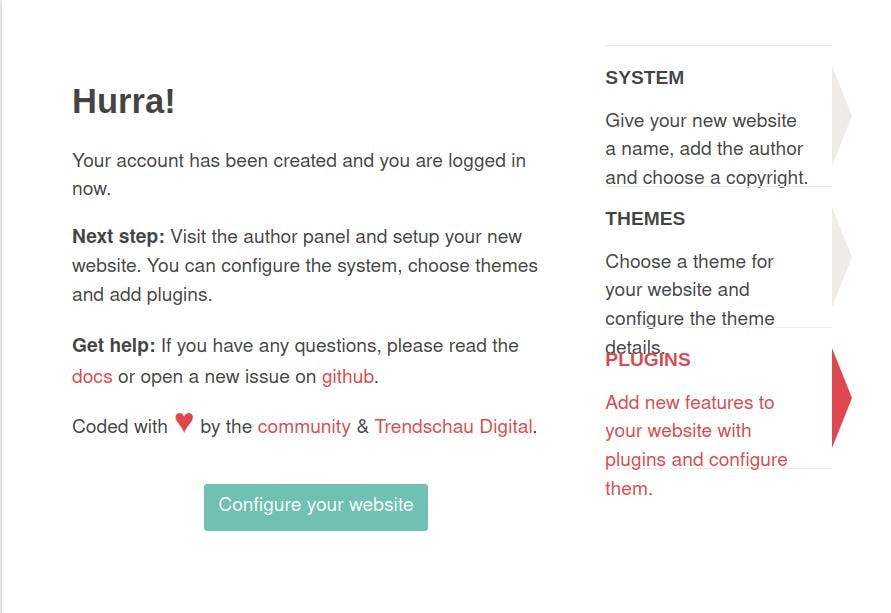 Typemill Setup Process
Conclusion
Typemill is not a spectacle. It is a writer-focused system built on the belief that content deserves center stage. Its no-code approach remains accessible without being condescending; its minimalism is a feature, not an absence. The plugin ecosystem offers room to grow, the documentation invites rather than intimidates, and the performance holds steady even in less-than-ideal hosting environments.
If you are looking for a distraction-free space to build and publish, Typemill.net is worth a quiet visit. The official documentation can be found at Typemill Documentation, and the community gathers at the Typemill Forum. In returning to it after years away, I was reminded that simplicity—when shaped with care—creates a kind of freedom that no feature list can replicate. That is the story Typemill continues to tell.
 Typemill CMS - AI Generated Image