In this post, we will explore how to use RClone for backups. Often described as the “Swiss army knife of cloud storage,” Rclone offers a versatile command-line interface that mirrors familiar Unix commands such as rsync, cp, mv, ls, and more. This unified interface excels in managing multiple cloud accounts, automating backups, and performing advanced operations across diverse storage providers, making it an essential tool for both personal and enterprise use.
Rclone is a powerful command-line program designed to manage files on cloud storage. It supports over 40 cloud storage products including Google Drive, Amazon S3, Dropbox, and Microsoft OneDrive, making it a versatile tool for backup and synchronization tasks.

What is Rclone??
Rclone is an open-source tool that allows you to sync files between your local system and various cloud storage providers. It provides a unified interface for managing different cloud services through simple commands. Rclone is a versatile command-line program for managing files on cloud storage. It supports syncing, copying, and moving files across various cloud providers including Google Drive, Amazon S3, and OneDrive. Features include server-side transfers, encryption, compression, and automated backup capabilities for efficient data management.
हिंदी सारांश
Rclone एक ओपन-सोर्स टूल है जो आपको अपने लोकल सिस्टम और विभिन्न क्लाउड स्टोरेज प्रोवाइडर्स के बीच फ़ाइलों को सिंक करने की अनुमति देता है। यह सरल कमांड्स के माध्यम से विभिन्न क्लाउड सेवाओं को प्रबंधित करने के लिए एकीकृत इंटरफेस प्रदान करता है। Rclone एक बहुमुखी कमांड-लाइन प्रोग्राम है जो क्लाउड स्टोरेज पर फ़ाइलों को प्रबंधित करता है। यह Google Drive, Amazon S3, और OneDrive जैसे विभिन्न क्लाउड प्रदाताओं के बीच फ़ाइलों को सिंक, कॉपी और मूव करने का समर्थन करता है। इसमें सर्वर-साइड ट्रांसफर, एन्क्रिप्शन, कंप्रेशन और स्वचालित बैकअप क्षमताएं शामिल हैं जो डेटा प्रबंधन को कुशल बनाती हैं।
मराठी सारांश
Rclone हे एक ओपन-सोर्स टूल आहे जे आपल्याला स्थानिक सिस्टम आणि विविध क्लाउड स्टोरेज प्रोवाइडर्स दरम्यान फाइल्स सिंक करण्याची परवानगी देते. हे सोप्या कमांड्सद्वारे विविध क्लाउड सेवा व्यवस्थापित करण्यासाठी एकात्मिक इंटरफेस प्रदान करते. Rclone हे एक बहुउपयोगी कमांड-लाइन प्रोग्राम आहे जे क्लाउड स्टोरेजवर फाइल्स व्यवस्थापित करते. हे Google Drive, Amazon S3, आणि OneDrive सारख्या विविध क्लाउड प्रदात्यांमध्ये फाइल्स सिंक, कॉपी आणि हलवण्यास समर्थन देते. यात सर्व्हर-साइड ट्रान्सफर, एन्क्रिप्शन, कंप्रेशन आणि स्वयंचलित बॅकअप क्षमता समाविष्ट आहेत जे डेटा व्यवस्थापन कार्यक्षम बनवतात.

Features of Rclone
- Connect to over 40 different cloud storage providers with a single tool
- Sync files and directories between your local system and cloud storage
- Mount cloud storage as a local filesystem on your computer
- Encrypt sensitive data before uploading to cloud storage
- Automate backups with scheduling and scripts
Implementation Guide
- Download Rclone from the official website
- Install Rclone on your system (Windows, macOS, Linux, or other OS)
- Run
rclone configto set up your first cloud storage connection - Begin using basic commands like
rclone copyandrclone sync
Cloud Storage Management with Rclone

Rclone allows users to manage files across multiple cloud storage services with a single tool. Whether you’re a developer in Bengaluru managing multiple projects, a photographer in Mumbai backing up precious images, or a business in Pune looking for cost-effective storage solutions, Rclone provides the flexibility and power to handle your cloud storage needs.
Key Features & Capabilities of RClone
- Connect to over 40 cloud storage providers including popular services in India
- Sync files between your laptop in Delhi and cloud storage seamlessly
- Transfer files directly between cloud providers without using your bandwidth
- Encrypt sensitive data before uploading to ensure privacy
- Mount cloud storage as a local disk on your computer
- Schedule automated backups during off-peak hours (like 2 AM when internet speeds are faster in India)


Implementation Guide
- Choose your cloud storage provider (Google Drive, Amazon S3, OneDrive, etc.)
- Configure Rclone to connect to your cloud storage using
rclone config - Use simple commands to manage your files:
- Copy:
$ rclone copy source:path dest:path - Sync:
$ rclone sync source:path dest:path - List:
$ rclone ls remote:path
- Copy:
- Set up regular backups using cron jobs or scheduled tasks
Implementation Guide
- Visit the official Rclone documentation for detailed guides
- Check the Rclone forum for community support
- Run
rclone -hfor command help - Use
rclone config fileto locate your configuration file for reference
Getting Started with Rclone
To begin using Rclone, install it on your system, which supports Windows, macOS, and Linux. Follow these steps to set up Rclone and verify its installation.
Installation Commands
Windows
- Download the latest executable from the official Rclone website.
- Extract the ZIP file to a folder, such as
C:\Rclone. - Add the folder to your system PATH for command-line access.
macOS
$ brew install rclone
Linux
$ curl https://rclone.org/install.sh | sudo bash
Verify Installation
Confirm Rclone is installed correctly by running:
$ rclone version
Installation and Basic Setup

Platform-Specific Installation Instructions
Linux
Most Linux distributions used in India can install Rclone with a simple command:
$ curl https://rclone.org/install.sh | sudo bash
For Ubuntu/Debian-based systems, you can also use:
$ sudo apt install rclone
macOS
For Mac users, the easiest way is via Homebrew:
$ brew install rclone
Windows
- Download the latest release from the official Rclone website
- Extract the ZIP file to a folder like
C:\Program Files\Rclone - Add this folder to your PATH environment variable to use Rclone from any command prompt
Technical Implementation Options
- Run Rclone on virtually any device, from home computers to VPS servers
- Configure multiple cloud storage accounts in one place
- Create encrypted connections to protect sensitive data
- Set up mountpoints to access cloud storage like local drives
- Customize settings for Indian internet conditions (like bandwidth limiting during peak hours)
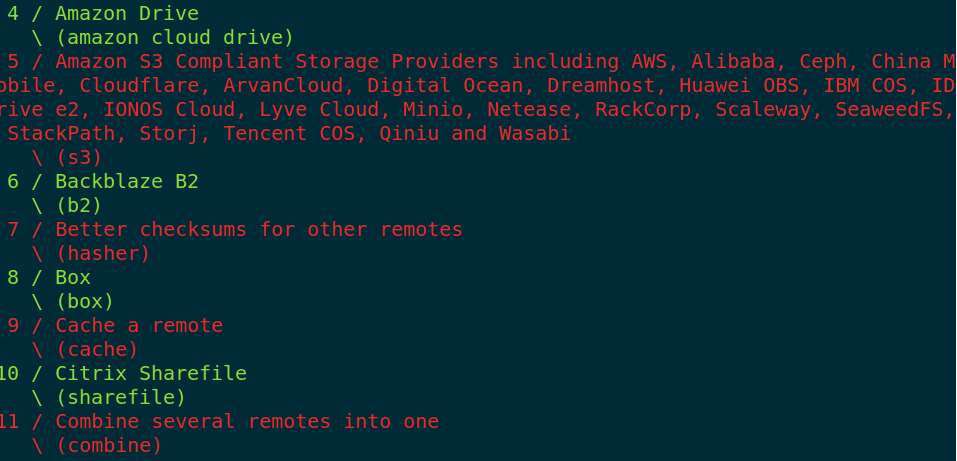
Configuring RClone
- Install Rclone using the instructions above
- Run the configuration wizard to connect to your cloud service:
$ rclone config
- Follow the interactive prompts to:
- Choose your cloud provider
- Authenticate with your account credentials
- Name your remote connection (e.g., “gdrive” or “onedrive”)
- Verify your setup by listing files:
$ rclone ls remote_name:
Zoho WorkDrive Configuration with Rclone

Zoho WorkDrive is a popular cloud storage solution among Indian businesses for team collaboration and file sharing. Configuring it with Rclone allows you to automate backups, synchronize files, and integrate it with your existing workflows.
Technical Implementation Options
- Connect Rclone to your Zoho WorkDrive account
- Backup important business documents automatically
- Sync files between local systems and WorkDrive teams
- Access WorkDrive files through command line
- Schedule regular backups of critical team data
Implementation Guide
- Create API credentials in Zoho Developer Console:
- Visit Zoho API Console
- Create a new client under “Server-based Applications”
- Select “WorkDrive” scope
- Note down Client ID and Client Secret
Follow the prompts to authenticate securely.
- Configure Rclone for WorkDrive:
$ rclone config
- Choose “n” for new remote
- Name your remote (e.g., “workdrive”)
- Select “Zoho WorkDrive” from the list
- Enter your Client ID and Client Secret
- Complete the authentication process
- Test your configuration:
$ rclone lsd workdrive:
Create a dedicated folder structure, such as
workdrive:/team-backups/, to organize files.
VPS Backup Workflows with Rclone
 RClone for backups : Sync local file with server
For many Indian businesses and developers, Virtual Private Servers (VPS) contain critical applications and databases that demand reliable backup solutions. Rclone provides an efficient way to create secure, automated backups from your VPS to various cloud storage providers, ensuring data safety even during server issues.
Practical Use Case Scenarios
- Backup entire VPS including databases, websites, and configuration files
- Schedule backups during low-traffic hours (like 2-4 AM Indian time)
- Store backups on cost-effective cloud storage like Backblaze B2 or Google Drive
- Implement retention policies to manage storage costs
- Set up email notifications for backup success or failure
Implementation Guide
- Set up your cloud storage provider in Rclone:
$ rclone config
Follow the prompts to authenticate and name your remote (e.g., “vps-backup”).
- Create a comprehensive backup script:
#!/bin/bash
# Set PATH for cron environment
PATH=/usr/local/sbin:/usr/local/bin:/usr/sbin:/usr/bin:/sbin:/bin
export PATH

# Backup directories and settings
TIMESTAMP=$(date +"%Y-%m-%d-%H%M")
BACKUP_DIR="/tmp/vps-backup-${TIMESTAMP}"
REMOTE="vps-backup:server-backups/${TIMESTAMP}"
LOG_FILE="/var/log/vps-backup.log"

# Create backup directory
mkdir -p $BACKUP_DIR

# Database backup function
backup_database() {
    echo "Backing up MySQL databases..." >> $LOG_FILE
    mysqldump --all-databases -u root -p"YOUR_PASSWORD" > $BACKUP_DIR/all-databases.sql
}

# Web files backup function
backup_web_files() {
    echo "Backing up web files..." >> $LOG_FILE
    cp -r /var/www $BACKUP_DIR/www
}

# Config files backup function
backup_configs() {
    echo "Backing up configuration files..." >> $LOG_FILE
    mkdir -p $BACKUP_DIR/etc
    cp -r /etc/nginx $BACKUP_DIR/etc/
    cp -r /etc/apache2 $BACKUP_DIR/etc/
    cp -r /etc/php $BACKUP_DIR/etc/
}

# Run backup functions
echo "Starting VPS backup at $(date)" >> $LOG_FILE
backup_database
backup_web_files
backup_configs

# Upload to cloud storage
echo "Uploading to cloud storage..." >> $LOG_FILE
rclone copy $BACKUP_DIR $REMOTE --progress --create-empty-src-dirs --log-file=$LOG_FILE

# Clean up local backup
echo "Cleaning up temporary files..." >> $LOG_FILE
rm -rf $BACKUP_DIR
echo "VPS backup completed at $(date)" >> $LOG_FILE
Save as
vps-backup.sh, make executable withchmod +x vps-backup.sh, and replaceYOUR_PASSWORDwith your database password. - Schedule regular backups with cron:
$ crontab -e
Add scheduling entries like:
# Daily at 3 AM
0 3 * * * /path/to/vps-backup.sh
# Weekly on Sunday at 3 AM
0 3 * * 0 /path/to/vps-backup.sh
# Monthly on the 1st at 4 AM
0 4 1 * * /path/to/vps-backup.sh
Monitor status with notifications:
echo "Backup completed at $(date)" | mail -s "VPS Backup Status" your@email.com
- Test your backup and restoration process regularly
Core Rclone Commands and Usage

While Rclone offers numerous advanced features, mastering a few core commands can help you manage most cloud storage tasks efficiently. Whether you’re backing up documents from Mumbai or syncing project files in Bengaluru, these essential commands work consistently across all supported cloud providers.

Practical Use Case Scenarios
- Copy files and directories between local and cloud storage
- Synchronize folders to maintain identical content
- List files, directories, and check storage space
- Move, delete, and check files across storage providers
- Mount cloud storage as a local drive for direct access

Common Commands
- Use
rclone copyto transfer files without deleting anything:rclone copy /local/path remote:path
- Use
rclone syncfor exact mirroring (use carefully as it deletes files):rclone sync /local/path remote:path
- Check space usage with
rclone about:rclone about remote:
- List directories with
rclone lsd:rclone lsd remote:
- Mount cloud storage locally:
rclone mount remote:path /mount/point &
Key Takeaways
Rclone offers a robust solution for Indian users navigating diverse cloud storage needs. Its ability to unify multiple providers, automate secure backups, and optimize performance under variable internet conditions makes it indispensable for developers, businesses, and individuals alike.
- Unified management of over 40 cloud storage providers through a single tool
- Automated backups that work reliably even with inconsistent connections
- Secure data transfers with built-in encryption for sensitive information
- Cost optimization by efficiently utilizing storage space across providers
- Scalable solutions suitable for everything from personal backups to enterprise deployments
Retracing the Steps
- Start with basic file operations (copy, sync) to become familiar with the Rclone workflow
- Gradually implement automation through scripts and scheduled tasks
- Add encryption for sensitive data when needed
- Optimize performance with appropriate flags based on your connection quality
- Join the Rclone community for ongoing support and advanced configurations
Conclusion

Rclone stands as a powerful ally in the quest for efficient cloud storage management. Throughout this guide, we’ve explored how this versatile tool enables Indian users to navigate the unique challenges of managing data across multiple cloud providers, often within connectivity constraints common across the subcontinent.
The strength of Rclone lies in its flexibility—whether you’re a solo developer in Pune backing up project files, an IT manager in Delhi synchronizing team documents to Zoho WorkDrive, or a photographer in Kolkata archiving large image files across multiple storage providers. Its command-line interface might initially seem daunting, but the investment in learning basic commands pays dividends through powerful automation capabilities.
For businesses across India embracing digital transformation, Rclone offers a cost-effective approach to cloud storage management without vendor lock-in. The ability to script operations and schedule them during periods of better connectivity (like the early morning hours when internet speeds are typically faster in many Indian cities) demonstrates how Rclone can be tailored to local infrastructure realities.
As cloud services continue to evolve, Rclone’s active development ensures it will remain relevant for years to come. Whether you’re implementing a 3-2-1 backup strategy for critical business data or simply looking for a reliable way to sync your documents across devices, Rclone provides the foundation for a robust cloud storage management approach that grows with your needs.
Frequently Asked Questions
Does Rclone Replace Traditional Backup Software?
Rclone complements rather than replaces traditional backup software. While it excels at file transfers and synchronization across cloud providers, dedicated backup solutions may offer additional features like versioning, system-level backups, or graphical interfaces. However, Rclone’s flexibility allows integration with scripts to create customized backup workflows tailored to specific needs.
Is Rclone Difficult to Learn for Non-Technical Users?
Rclone’s command-line interface may present a learning curve for non-technical users, but its basic operations are straightforward to master with practice. Graphical interfaces, such as Rclone Browser, are available for those preferring a visual approach, enabling users to manage cloud storage without extensive command-line knowledge.
Which Cloud Storage Providers Work with Rclone?
Rclone supports over 40 cloud storage providers, including widely used services like Google Drive, Amazon S3, Microsoft OneDrive, Dropbox, Backblaze B2, Koofr, pCloud, and Zoho WorkDrive. It also accommodates standard protocols such as WebDAV, FTP, and SFTP, ensuring compatibility with nearly any storage service.
Links of Interest
| Resource | Description |
|---|---|
| Rclone Documentation | Comprehensive official documentation covering all Rclone features and commands |
| Command Reference | Complete list of Rclone commands with usage examples and flag explanations |
| Rclone Forum | Community forum where users share experiences, ask questions, and get help |
| GitHub Repository | Source code and issue tracking for the latest Rclone developments |
| GUI Tools | List of graphical interfaces available for Rclone if you prefer visual tools |
| Google Cloud Community | Resources for using Rclone with Google Cloud Storage and Drive |
| Amazon S3 Guide | Documentation for Amazon S3, a popular storage backend for Rclone in India |
| Zoho WorkDrive Help | Official documentation for Zoho WorkDrive, a popular service among Indian businesses |

Cloudflare R2 CDN Setup with Rclone
Cloudflare R2 offers a cost-effective object storage solution, particularly valuable for Indian businesses seeking to distribute images, videos, and other assets via a Content Delivery Network (CDN). Integrating R2 with Rclone enables efficient file management and CDN distribution, minimizing costs and latency.
Technical Implementation Options
- Create and manage R2 buckets for storing media assets
- Configure Rclone to sync local files to R2 for CDN distribution
- Optimize storage costs with lifecycle policies
- Integrate with existing workflows for automated asset uploads
Implementation Guide
- Create an R2 bucket:
- Log in to the Cloudflare Dashboard
- Navigate to R2 > Create Bucket and name it (e.g.,
cdn-assets) - Enable public access if serving files via CDN
- Obtain API credentials:
- Go to R2 > Manage R2 API Tokens > Create API Token
- Note the Access Key ID and Secret Access Key
- Record the S3-compatible endpoint (e.g.,
https://.r2.cloudflarestorage.com)
- Configure Rclone for R2:
rclone config
- Select
nfor a new remote - Name it (e.g.,
r2-cdn) - Choose
Amazon S3as the provider - Enter the Access Key ID and Secret Access Key
- Set the endpoint to your R2 endpoint
- Leave region blank and disable session tokens
- Select
- Sync files to R2:
rclone sync /local/media r2-cdn:cdn-assets --progress
- Configure CDN distribution:
- Link a custom domain in Cloudflare to your R2 bucket
- Enable caching and set edge TTL for optimal performance
- Optimize costs:
- Implement lifecycle rules to delete old files:
rclone delete r2-cdn:cdn-assets --min-age 30d - Monitor usage in the Cloudflare Dashboard to avoid unexpected charges
- Implement lifecycle rules to delete old files:
For Indian businesses, R2’s zero-egress-fee model is particularly advantageous, reducing costs when serving content to users across South Asia.
Troubleshooting and Optimization
Indian users may face challenges like inconsistent internet speeds or ISP throttling. This section provides solutions to common issues and optimization techniques for Rclone.
Performance Enhancement Techniques
- Diagnose transfer issues with verbose logging and connection checks
- Optimize for variable internet speeds common in India
- Handle quota limits on free-tier cloud accounts
- Tune performance for specific providers like Google Drive or Amazon S3
Implementation Guide
- Address common issues:
- Slow Transfer Speeds: Limit bandwidth during peak hours (9 AM–5 PM):
rclone copy /source remote:dest --bwlimit 1M
Add retries for unstable connections:
rclone copy /source remote:dest --retries 10 --timeout 30s
- Authentication Failures: Verify and reconnect:
rclone config show
rclone config reconnect remote:
- Quota Exceeded Errors: Check space and limit transfers:
rclone about remote:
rclone copy /source remote:dest --drive-stop-on-upload-limit
- ISP Throttling: Use smaller chunks:
rclone copy /source remote:dest --transfers 4 --checkers 8 --drive-chunk-size 8M
- Slow Transfer Speeds: Limit bandwidth during peak hours (9 AM–5 PM):
- Debug issues:
- Enable verbose logging:
rclone copy /source remote:dest -vv --log-file=debug.log - Check connectivity:
ping drive.google.comornslookup drive.google.com - Isolate files:
rclone copy /source remote:dest --max-size 100M - Compare directories:
rclone check /source remote:dest - Clear cache:
rclone rc cache/expire
- Enable verbose logging:
- Optimize performance:
- Adjust transfers:
rclone copy /source remote:dest --transfers 8 --checkers 16(stable connections) or--transfers 4 --checkers 8(unstable) - Optimize chunks:
rclone copy /source gdrive:dest --drive-chunk-size 32M - Use fast list:
rclone copy /source remote:dest --fast-list - Enable multithreading:
rclone copy /source remote:dest --multi-thread-streams 4 - Schedule off-peak: Midnight to 5 AM IST
- Select regional servers:
rclone copy /source s3:bucket --s3-region ap-south-1
- Adjust transfers:
- Monitor logs and maintain configurations regularly
Links of Interest
| Resource | Description |
|---|---|
| Rclone Documentation | Comprehensive official documentation covering all Rclone features and commands |
| Command Reference | Complete list of Rclone commands with usage examples and flag explanations |
| Rclone Forum | Community forum where users share experiences, ask questions, and get help |
| GitHub Repository | Source code and issue tracking for the latest Rclone developments |
| GUI Tools | List of graphical interfaces available for Rclone if you prefer visual tools |
| Google Cloud Community | Resources for using Rclone with Google Cloud Storage and Drive |
| Amazon S3 Guide | Documentation for Amazon S3, a popular storage backend for Rclone in India |
| Zoho WorkDrive Help | Official documentation for Zoho WorkDrive, a popular service among Indian businesses |
Additional Reading
Quick-Reference Command Chart
| Command | Description | Example |
|---|---|---|
rclone copy |
Copies files without deleting destination files | rclone copy /local/path remote:path |
rclone sync |
Synchronizes files, deleting destination files not in source | rclone sync /local/path remote:path |
rclone ls |
Lists files in a remote path | rclone ls remote:path |
rclone lsd |
Lists directories in a remote path | rclone lsd remote: |
rclone mount |
Mounts cloud storage as a local filesystem | rclone mount remote:path /mount/point |
rclone about |
Displays storage usage information | rclone about remote: |
Automation and Best Practices
Automation is essential for Indian users managing cloud storage amidst variable internet reliability. Rclone’s scripting capabilities enable consistent, secure backups, reducing manual effort and ensuring data integrity, particularly when scheduled during off-peak hours like 2-4 AM IST.
Practical Use Case Scenarios
- Automate daily backups with robust scripts handling errors gracefully
- Schedule operations during off-peak hours to leverage faster internet speeds
- Implement secure backup strategies with encryption for sensitive data
- Monitor operations with email notifications for success or failure
Implementation Guide
- Create a backup script with error handling:
#!/bin/bash # backup-script.sh PATH=/usr/local/sbin:/usr/local/bin:/usr/sbin:/usr/bin:/sbin:/bin LOG_FILE="/var/log/rclone-backup.log" EMAIL="your@email.com" timestamp() { date "+%Y-%m-%d %H:%M:%S"; } handle_error() { local exit_code=$1 local error_msg=$2 echo "$(timestamp) ERROR: $error_msg (Exit code: $exit_code)" >> $LOG_FILE echo "Backup failed with error: $error_msg" | mail -s "Backup Failed" $EMAIL exit $exit_code } echo "$(timestamp) Starting backup" >> $LOG_FILE if [ ! -d "/path/to/source" ]; then handle_error 1 "Source directory does not exist" fi rclone sync /path/to/source remote:/path/to/destination \ --progress \ --create-empty-src-dirs \ --log-file=$LOG_FILE if [ $? -ne 0 ]; then handle_error 2 "Rclone sync failed" else echo "$(timestamp) Backup completed successfully" >> $LOG_FILE echo "Backup completed successfully at $(timestamp)" | mail -s "Backup Successful" $EMAIL fi - Schedule rclone for backups with cron to avoid business hours (10 AM–7 PM IST):
# Daily at 3:30 AM
30 3 * * * /path/to/backup-script.sh
# Weekly on Sunday at 2 AM
0 2 * * 0 /path/to/full-backup.sh
Prevent overlaps using a lock file:
LOCK_FILE="/tmp/backup.lock" if [ -f "$LOCK_FILE" ]; then echo "Another backup is already running. Exiting." exit 1 else touch $LOCK_FILE # Run backup commands rm -rf $LOCK_FILE fi - Implement security measures:
- Encrypt data:
$ rclone copy /source cryptremote:/dest - Secure configuration:
$chmod 600 ~/.config/rclone/rclone.conf - Use service accounts:
$ sudo useradd -m -s /bin/bash rclone-backup - Enable two-factor authentication for cloud accounts
- Update Rclone regularly:
$ curl https://rclone.org/install.sh | sudo bash
- Encrypt data:
- Monitor logs for unauthorized access and restrict operations to specific IPs if feasible