Join me on a journey through the world of Linux distributions tested as I share my experiences testing various distributions from 2017 to 2023. Discover the unique features and quirks of each distribution, from the well-known to the obscure. Stay tuned for more insights and videos!
2017 से 2023 तक विभिन्न लिनक्स डिस्ट्रीब्यूशन का परीक्षण करने के अपने अनुभवों को साझा करते हुए लिनक्स डिस्ट्रीब्यूशन की दुनिया की यात्रा में मेरे साथ शामिल हों। प्रसिद्ध से लेकर अस्पष्ट तक, प्रत्येक वितरण की अनूठी विशेषताओं और विशेषताओं की खोज करें। अधिक अंतर्दृष्टि और वीडियो के लिए बने रहें!
From lightweight laptops to multimedia workstations: more than 2 decades of Linux evolution
Introduction
Between 2017-2023, I tested over 15 Linux distributions, capturing installation processes and documenting their unique characteristics. These aren’t just technical experiments – they represent different philosophies of computing. Some distributions breathe new life into decade-old hardware, while others push the boundaries of multimedia production and software freedom.
This journey spans from Arch-based rolling releases to Debian derivatives, from discontinued projects to modern powerhouses. Let’s explore their stories and see which ones remain relevant in 2025.
From Niche to Mainstream: Distribution Stories
Lightweight Champions
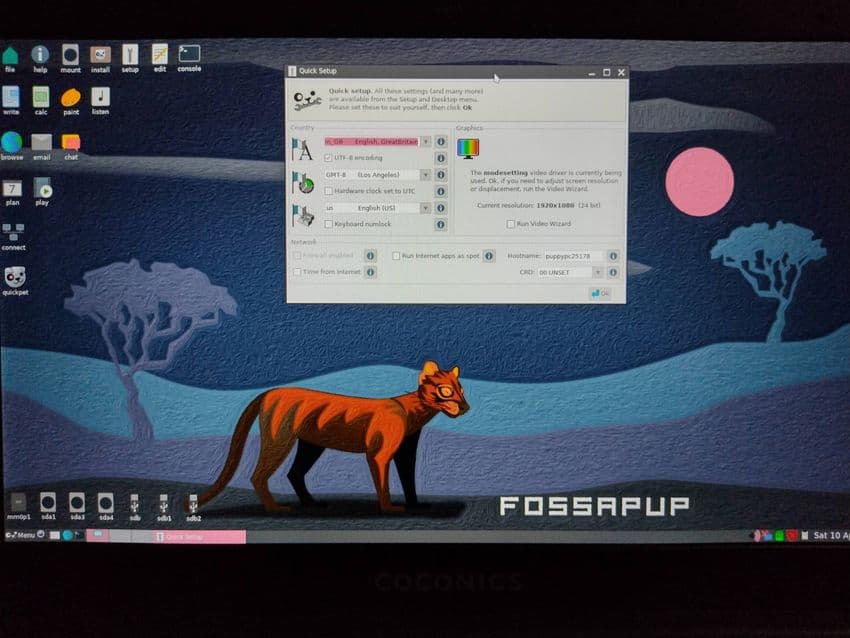
For aging hardware, Archbang Linux (Arch-based) and FossaPup (Puppy Linux derivative) proved invaluable. Both could transform decade-old laptops into functional machines with their sub-512MB memory footprint. FossaPup’s special focus on Raspberry Pi compatibility made it particularly interesting for educational settings.
Power User Platforms
Manjaro ARM (Arch-based) became my go-to for single-board computers, offering bleeding-edge software on Raspberry Pi hardware. Meanwhile, Pop!_OS (Ubuntu-based) emerged as a powerhouse for creators, with its NVIDIA driver integration and GNOME customization making it ideal for video editing and 3D rendering.
Desktop Experience Labs
Rosa Linux (Mandriva-based) impressed with its polished KDE desktop, while Voyager Linux (Debian-based) delivered one of the most aesthetically pleasing Xfce environments I’ve encountered. Both distributions demonstrated how desktop environments could be tailored for specific audiences.
Ethical Computing Advocates
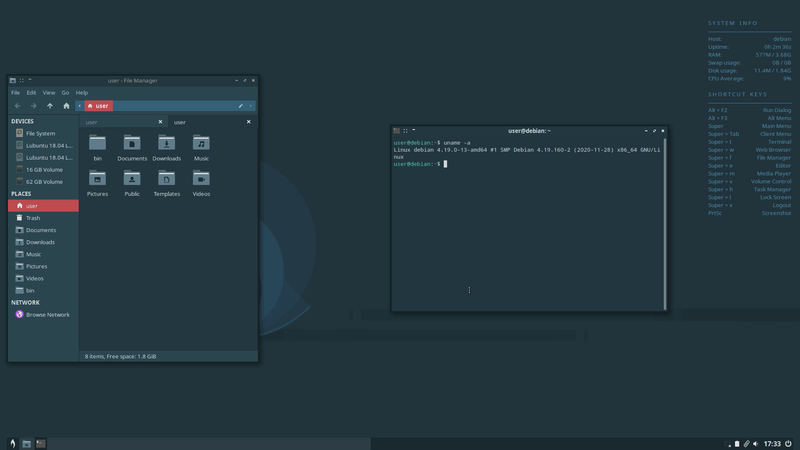
Trisquel (Ubuntu-based) stood out as the only distribution I tested that exclusively uses free software. While limiting for some workflows, it provided valuable insights into what computing without proprietary drivers or firmware looks like.
Lost Experiments
Some distributions, like ApricityOS (Arch-based) and Vector Linux (Slackware-based), have since disappeared. Their absence reminds us that Linux’s diversity comes with natural selection – but their innovations often live on in other projects.
Distribution Comparison (2017-2023)
All distributions tested between 2016-2022. Status updated as of June 2025.
| Distribution | Base OS | Primary Use Case | 2025 Status | Key Technical Feature |
|---|---|---|---|---|
| Archbang Linux | Arch | Lightweight desktop, older hardware | Active | Pre-configured Openbox environment |
| Arya Linux | Arch | Source-based customization | Maintenance Only | Manual compilation approach |
| FossaPup | Puppy Linux | Education, ARM devices | Active | Frugal install capabilities |
| Manjaro ARM | Arch | Single-board computers | Active | ARM-specific optimizations |
| Pop!_OS | Ubuntu | Multimedia production | Active | NVIDIA driver integration |
| Rosa Linux | Mandriva | Enterprise desktop | Active | KDE customization |
| Bunsenlabs | Debian | Minimalist workflows | Active | Openbox configuration |
| Gecko Linux | openSUSE | Beginner transition | Maintenance Only | Rolling release model |
| openSUSE | Community | Server & desktop | Active | YaST configuration tool |
| Trisquel | Ubuntu | Ethical computing | Active | 100% free software |
| Voyager Linux | Debian | Desktop aesthetics | Active | Custom Xfce theme |
| ApricityOS | Arch | Rolling release experience | Discontinued (2017) | Out-of-the-box GNOME |
| Vector Linux | Slackware | Classic Linux experience | Discontinued (2018) | Lightweight Slackware base |
Observing Linux Evolution (2017-2025)
ARM Ascendancy
The rise of Manjaro ARM and Pop!_OS for Raspberry Pi reflects Linux’s growing importance in single-board computing. In 2025, ARM compatibility remains a critical metric for modern distributions.
Rolling Release Debate
While Arch derivatives like Manjaro ARM and Arya Linux offer cutting-edge software, the maintenance challenges of rolling releases become apparent when comparing active vs “maintenance only” projects.
Desktop Diversification
The survival of multiple desktop environments (KDE, GNOME, Xfce, Openbox) shows no single interface has dominated. Instead, distributions tailor environments to their target use cases.
Software Freedom
Trisquel’s continued existence proves demand for 100% free software persists, though most mainstream distributions maintain hybrid approaches.
Linux Distributions Tested: Media Gallery
Archbang Linux
Arya Linux
FossaPup
Manjaro ARM & Pop!_OS
Rosa Linux
Bunsenlabs
Trisquel
Voyager Linux
Linux Distributions Tested: A Journey Through Diversity
Join me on a journey through the diverse world of Linux distributions as I share my experiences testing various distributions (also known as distros), from Arch-based to Ubuntu-based and beyond. Discover the unique features and strengths of each distribution, and find inspiration for your own Linux adventures.
Click below to watch the video. If the video does not load, click here.
As a passionate Linux enthusiast, I have spent countless hours exploring the vast landscape of Linux distributions. From the highly customizable Arch-based distros to the user-friendly Ubuntu-based ones, each distribution offers a unique experience and caters to different user preferences. In this blog post, I will share my journey through the world of Linux, highlighting the distributions I have tested and the lessons I have learned along the way.
Linux Distributions Tested: From Arch to ZorinOS
Arch Linux
Arch Linux is a lightweight and flexible Linux distribution that focuses on simplicity and user-centricity. It follows a rolling-release model and provides a powerful package manager called pacman.
Manjaro
Manjaro is a user-friendly Arch-based distribution that aims to make Arch Linux more accessible to a wider audience. It offers a graphical installer, a selection of desktop environments, and a well-maintained repository of software packages.
Ubuntu
Ubuntu is one of the most popular Linux distributions, known for its ease of use and extensive community support. It is based on Debian and offers a wide range of flavors to suit different user preferences.
Linux Mint
Linux Mint is an Ubuntu-based distribution that focuses on providing a clean, elegant, and easy-to-use desktop experience. It comes with a variety of desktop environments and a selection of pre-installed software for everyday tasks.
Fedora
Fedora is a community-driven distribution sponsored by Red Hat. It focuses on innovation, cutting-edge technologies, and a commitment to free and open-source software. Fedora serves as a testing ground for new features that eventually make their way into Red Hat Enterprise Linux.
openSUSE
openSUSE is a community-driven distribution sponsored by SUSE. It offers two main editions: Leap, which focuses on stability, and Tumbleweed, which follows a rolling-release model. openSUSE is known for its YaST configuration tool and strong support for enterprise features.
Conclusion: Linux in 2025
This journey through Linux distributions reveals a vibrant ecosystem that continues to thrive in 2025. While some projects fade, their innovations live on – systemd adoption, improved hardware support, and better desktop integration mark the distributions that survived. Command Line continues to be the preferred means of interface and interaction for the advanced users.
Key takeaways for modern users
- Hardware matters: Match your distribution to your hardware capabilities
- Use case focus: Choose based on workflows (development, multimedia, education)
- Project health: Consider active development and community support
- Base system: Ubuntu for stability, Arch for cutting-edge, Debian for reliability
As Linux turns 34 in 2025, its diversity remains its greatest strength. Whether you need a lightweight laptop solution or a professional multimedia workstation, there’s a distribution – or combination of packages – that will fit your needs. The number of linux distributions tested iby me is a mere drop in the ocean of linux.
A big thanks to distrowatch .com for being a very important part of my linux journey over the years.